Helping young people choose purpose over substance abuse.
Since 2006, People Against Substance Abuse has equipped learners, schools and communities with practical knowledge and life skills that strengthen self-worth, challenge destructive peer pressure and encourage healthier choices.
Find substance-abuse support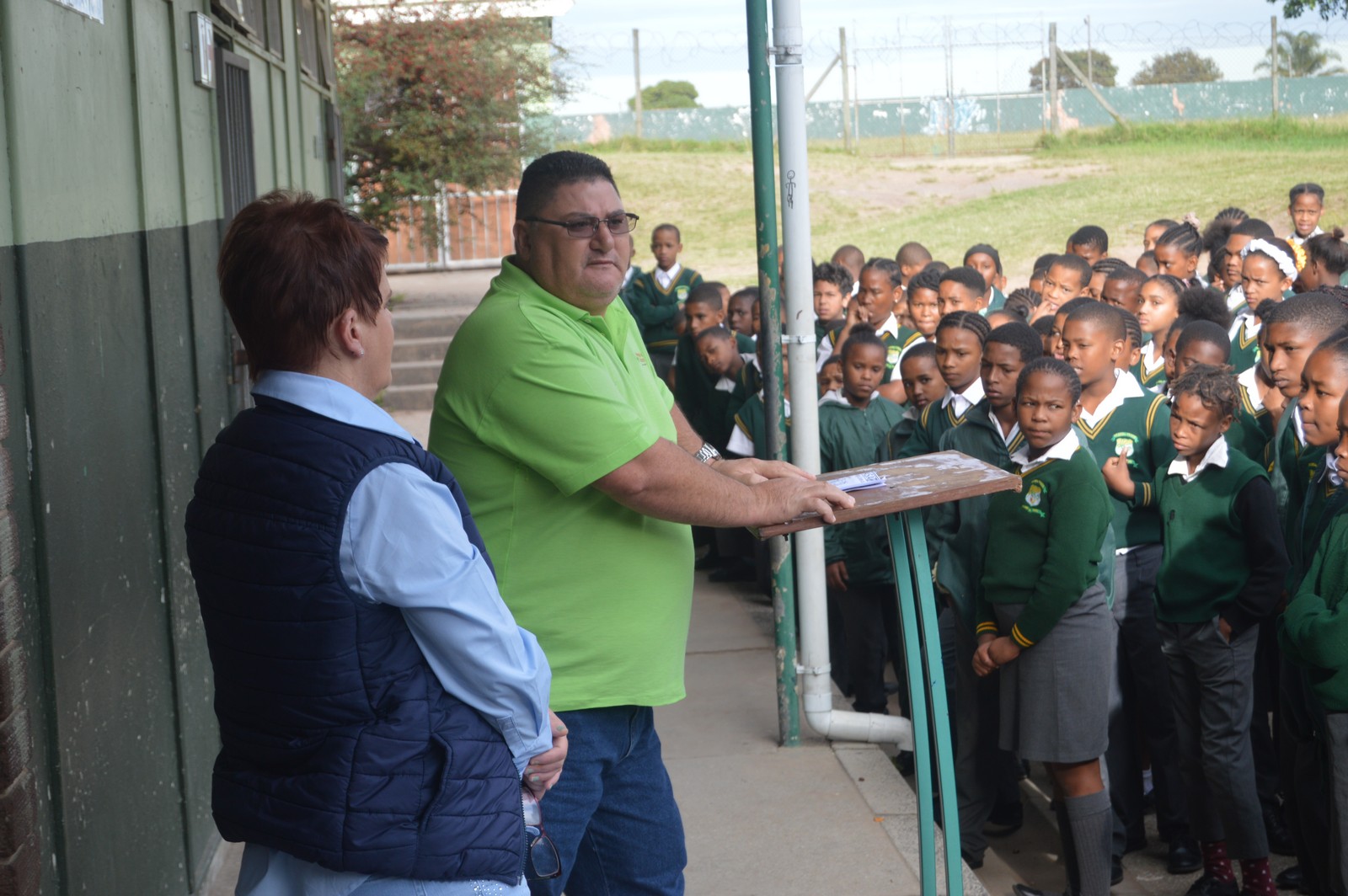
Prevention begins before a young person is in crisis.
Young people face pressure from peers, difficult home circumstances, harmful social influences, low self-worth and uncertainty about their future. PASA intervenes through age-appropriate prevention programmes that help learners understand risk, recognise their value and make responsible decisions.
| Challenges young people face | What PASA strengthens |
|---|---|
| Peer pressure | Refusal and decision-making skills |
| Low self-worth | Personal value and confidence |
| Exposure to harmful substances | Factual, age-appropriate knowledge |
| Lack of direction | Purpose and personal responsibility |
| Difficulty asking for help | Identification of trusted support |
| Risky choices | Awareness of consequences and alternatives |
A practical prevention programme for vulnerable learners
PASA's primary programme is designed for Grade 6 and Grade 7 learners, generally from the age of 12 — an important stage at which young people may become increasingly vulnerable to peer pressure, experimentation and harmful social influences.
Self-worth and personal value
Learners explore how their understanding of their own value influences the choices they make.
Peer pressure and influence
Learners identify positive and negative influences and practise ways to protect their goals and personal boundaries.
Understanding substance-related harm
Age-appropriate information explains how harmful substances can affect the individual, family, school and wider community.
Choices and consequences
Learners consider how present decisions can influence their health, relationships, education and future opportunities.
Purpose and responsibility
Learners are encouraged to identify positive aspirations and take responsibility for decisions that support them.
Recognising challenges and seeking help
Learners identify where they may be struggling and learn when and how to approach a trusted adult or professional.
From a school's request to measured outcomes
School request
The school submits its location, learner numbers, grades, proposed dates and identified needs.
Programme planning
PASA confirms the format, language, venue, school responsibilities and safeguarding arrangements.
Learner engagement
PASA delivers a structured, interactive and age-appropriate prevention programme.
Supporting resources
Where available, teachers, parents and learners receive relevant follow-up materials.
Annual return
PASA encourages schools to repeat the programme annually so each new learner group receives consistent prevention education.
Feedback & measurement
The school and PASA record attendance, feedback, referrals and agreed outcome indicators.
A response drawn in George
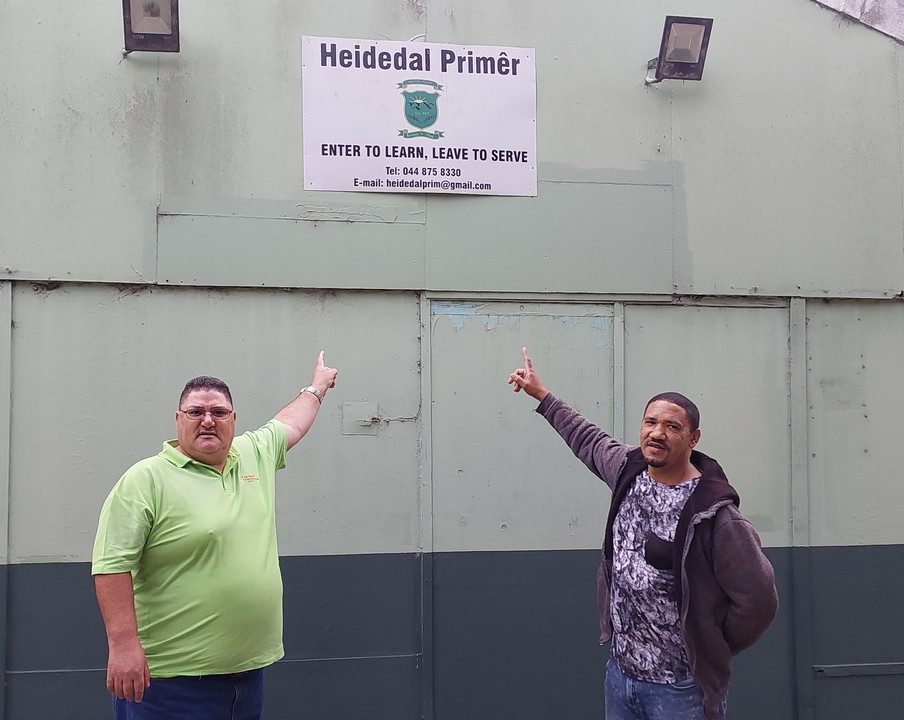
When Freddy Trout relocated to George in the Eden district of the Western Cape, he was struck by the contrast between the region's natural beauty and the damage substance abuse was causing in the lives of young people, adults and families.
In August 2006, Freddy launched the People Against Substance Abuse initiative. In 2008, his youngest brother, Wayne Windvoël, joined PASA after overcoming a ten-year substance dependency. Their personal experience strengthened PASA's commitment to prevention, hope and the belief that informed choices can change a young person's future.
PASA was registered as a Non-Profit Organisation in 2009 and received Public Benefit Organisation status in 2012. Since then it has delivered prevention and life-skills programmes to schools, businesses and communities across the Western Cape and beyond.
Read Our StoryRooted in George, working across the Western Cape
PASA is based in George and regularly serves schools, businesses and communities across the Western Cape. Programmes in other parts of South Africa can be arranged by invitation, subject to scheduling and travel requirements.
Consistent prevention, delivered year after year
Young people reached with a message of hope each year
Grade 7 learners complete the life-skills programme each year
Western Cape towns and communities served on an ongoing basis
Information booklets printed and distributed every month
Figures reflect PASA's reported annual reach across schools and communities. Detailed methodology and verified year-on-year figures are published in our annual report. See the full impact page →
Voices from schools, partners and families
"[Placeholder — awaiting consented quote.] The programme gave our Grade 7s a language for peer pressure they simply didn't have before."
"[Placeholder — awaiting consented quote.] Sponsoring PASA lets us invest in prevention where it matters most — before a crisis."
"[Placeholder — awaiting consented quote.] As a parent, the session helped me start conversations I'd been avoiding for years."
Testimonials are published only with consent; learner identities are anonymised. Sensitive recovery stories from children are never published.
Four ways to strengthen prevention
Sponsor a school
Fund a prevention programme for learners in an under-resourced community.
Sponsor a schoolBecome a corporate partner
Support programme delivery, educational materials, transport or multimedia development.
Partner with usVolunteer your skills
Assist with approved operational, media, administrative or community activities.
Apply to volunteerFresh from our Resources & News
Starting the conversation: talking to your child about substances
A practical, non-judgemental guide for parents and caregivers.
Read resource →Anti-Bullying Campaign reaches more Southern Cape schools
A look at PASA's latest school engagements this term.
Read update →Empowering our children: a year of prevention in numbers
Highlights from our most recent annual report.
Read story →Help place prevention within reach of another learner.
Your support helps PASA deliver practical substance-abuse prevention and life-skills education to schools and communities that may otherwise be unable to access these programmes.
Qualifying donors may request a Section 18A receipt, subject to applicable requirements.
Stay in touch
Occasional news, programme updates and ways to support prevention in your community.